Featured
Table of Contents
They require instructional content. Blog site posts, industry reports, thought leadership. They require material that assists them think through choices.
How Washington Organizations Use Smart Visibility ToolsConstruct automation activates that discover which phase somebody is in based on their behaviour and serve them the best material. The mistake most B2B online marketers make is pushing decision-stage content (demonstrations, prices) at awareness-stage potential customers.
Email carries many of the weight in B2B marketing automation. 3 to four e-mails that introduce your brand, establish credibility, and provide real value. Not a sales pitch camouflaged as a welcome.
Consideration-stage prospects get comparative content. Don't jump straight to "schedule a demo" with somebody who downloaded their first piece of material the other day. B2B email performance differs enormously by market and audience.

Why Data-Driven Messaging Dominates in Enterprise Market
Sending the very same e-mail to your entire database is a waste of time. Segmentation enables you to customise your email material and timing to each recipient's unique behaviors. Send-time optimisation is worth using if your platform supports it. SalesManago adjusts sending out time instantly based upon each contact's specific activity patterns, so every recipient gets the email when they're probably to open it, not when it's most hassle-free for your scheduler.
Retargeting keeps you visible with potential customers who've visited your site. B2B sales cycles are long. Somebody who visited your rates page 3 weeks earlier and went dark might be ready to re-engage.
Your sales team must be active. Automation can support this with suggested material, engagement notifies, and CRM logging.
Maximizing ROI With Omnichannel B2B Systems
That's an integrated channel method. A lot of companies have the channels. You determine your perfect target accounts in advance, focus your resources on them, and construct projects around specific business rather than anonymous audiences.
It's just more work upfront. Start with firmographic filters. Market, business size, geography, technology stack (if pertinent), revenue variety. Who do you win with frequently? Include intent information. Which business are actively investigating your solution classification right now? Platforms like Bombora track content consumption patterns to determine business showing purchase intent.
Combine firmographic fit with intent signals and you've got a target account list with a real rationale behind it, rather than a spreadsheet someone built based upon gut feel in 2022. ABM automation works at the account level, not just the contact level. You're tracking engagement throughout several stakeholders at the exact same company and building a picture of account-level buying intent.
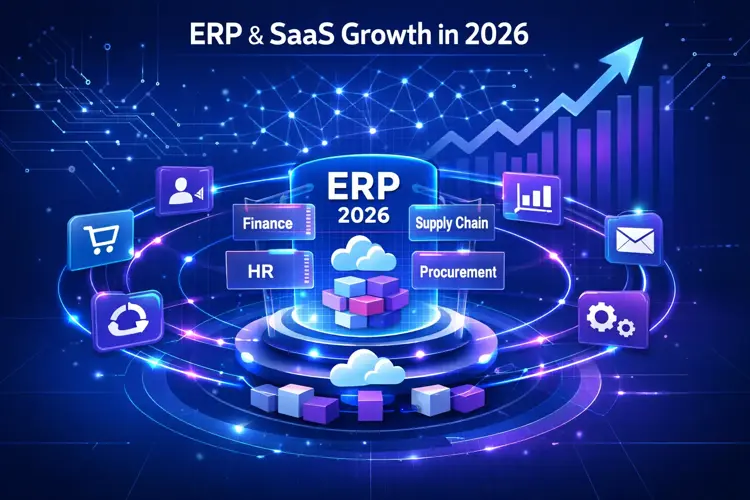
Proactive Software Integration Within Large Enterprises
Your automation should surface that to sales right away. Personalise your outreach at the account level. Referral their market, their particular challenges, their business context. Generic support series don't work for ABM. The entire point is personalisation at scale. Your most significant automation error after a deal closes? Stopping. Post-sale automation needs to consist of onboarding series that lower time-to-value.
Feedback studies at essential milestones. Growth projects when customers reveal signals of needing more. Your existing consumer base is your most important pipeline source. Expansions and referrals cost a fraction of brand-new logo acquisition. Build automation that supports those relationships as carefully as you nurture new potential customers. You can have the very best technique in the space and still build automation that doesn't work.
The most typical B2B marketing automation failure is data. Duplicate contacts producing untidy engagement histories. CRM and marketing platform out of sync. Behavioural information siloed from firmographic information. Audit your information before you construct automation on top of it. Specifically: The number of duplicate records exist in your CRM? More than you think.
Are your behavioural and transactional datasets combined? Someone who visited your prices page three times must reveal that in their CRM record, not simply in your marketing platform. Which of your marketing activities really affects revenue? This is the concern every B2B online marketer struggles to respond to. First-touch attribution offers all credit to the channel that created the lead.
Evaluating Your Next Software Stack of 2026
Everything that developed trust over six months gets zero acknowledgment. More sincere, more complex, and it requires clean information throughout every channel to work effectively.
Email open rates are a vanity metric. These are the numbers that in fact matter: MQL to SQL conversion rate: Are marketing leads really transforming to sales chances? If this is low, your lead scoring is off or your MQL requirements are too loose.
Consumer acquisition expense by channel: Which channels generate clients most effectively? Customer lifetime value: Are the customers you're getting in fact worth what it cost to get them? Build control panels.
Platform choice. Your marketing platform and CRM need to share data in real-time. If they do not, lead ratings are stagnant, sales informs are postponed, and your personalisation is built on incomplete info.
Mastering Workflows to Accelerate B2B Success
For mid-market teams who want authentic CRM sync without a six-month application, it's worth evaluating platforms like SalesManago that are built specifically for your daily. Lead scoring and segmentation: Ratings and sectors should upgrade as behaviour modifications, and not manually either, not over night in a batch process, in real-time.

Latest Posts
Improving Online Visibility Through Advanced Content Analytics
Why Advanced Optimization Software Boost Traffic
Evaluating Old SEO and Modern AI Methods